Explore More Music Tools
 Create beats, melodies, and songs.
 See sound frequencies over time.
 Build repeating percussion patterns.
 Make short melodies on a grid.
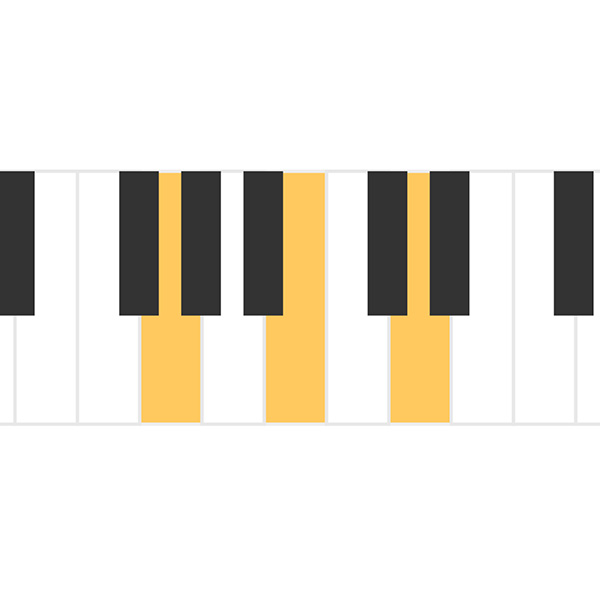 Hear three-note chord sounds.
 Play chord tones in patterns.
 Watch notes flow like a roll.
 Turn drawings into sound.
 Change frequency and wave types.
 See sound move through air.
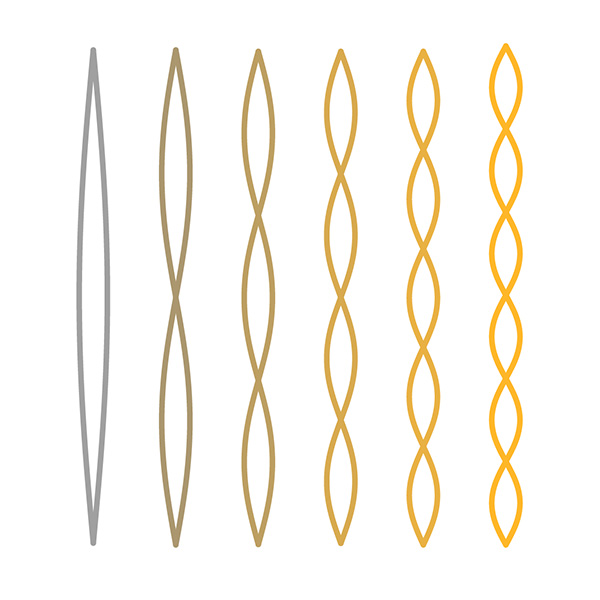 Explore overtones and intervals.
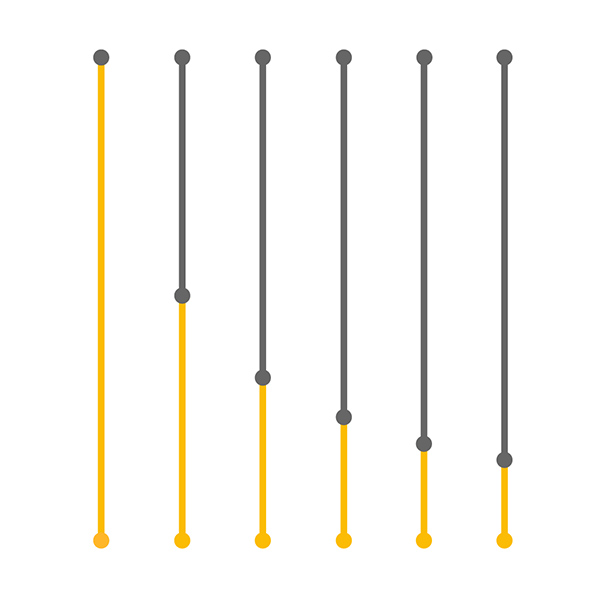 Compare string length and pitch.
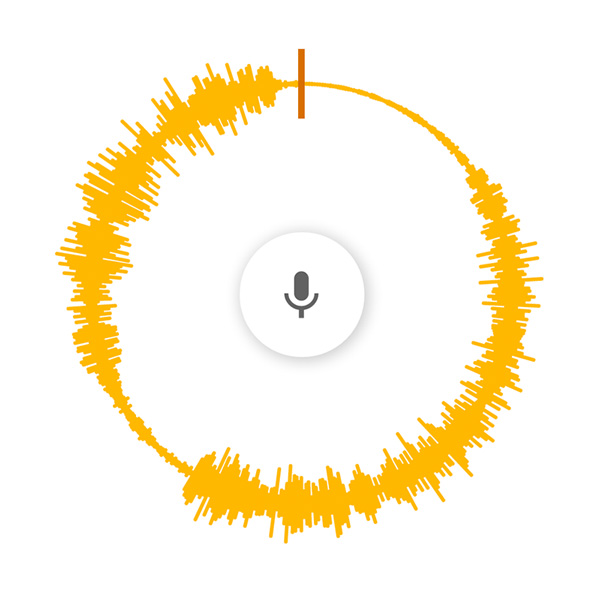 Spin voice speed and direction.
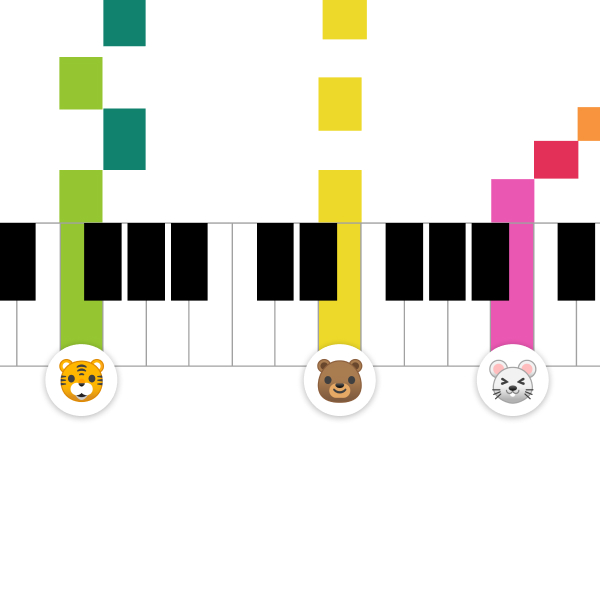 Share a live piano room.
Free online string sound tool
Strings
Use Strings to explore how vibrating string length relates to pitch. This page is prepared to help connect music, math, vibration, and instrument design in a simple browser experiment.
Compare String Length
Shorter strings usually vibrate faster and sound higher, while longer strings vibrate slower and sound lower.
Hear Simple Ratios
String length connects music with math. Clear length relationships can produce familiar pitch relationships such as octaves.
Strings Practice Ideas
Compare Long and Short
Play different string lengths and listen for how pitch rises or falls.
Look for Ratios
Notice how simple length relationships can create clear musical pitch relationships.
Connect to Instruments
Think about guitars, violins, basses, and pianos as instruments built around vibrating strings.
Use Listening Words
Describe each sound as higher, lower, tighter, looser, brighter, or deeper.
For Music and Math
Strings make pitch relationships easier to see because the physical length changes are visible. This is useful for lessons about ratios, frequency, and intervals.
For Instrument Curiosity
The same basic idea appears in many instruments: changing how a string vibrates changes the pitch and color of the sound.
FAQ
How does string length affect pitch?
Shorter vibrating strings usually create higher pitches, while longer vibrating strings usually create lower pitches.
What can I learn from Strings?
You can explore how vibration, length, pitch, and simple ratios connect in string instruments.
Why do shorter strings usually sound higher?
A shorter vibrating string usually vibrates faster, and faster vibration is heard as a higher pitch.
Is Strings free?
Yes. You can use Strings in a browser without an account or installation.