Explore More Music Tools
 Create beats, melodies, and songs.
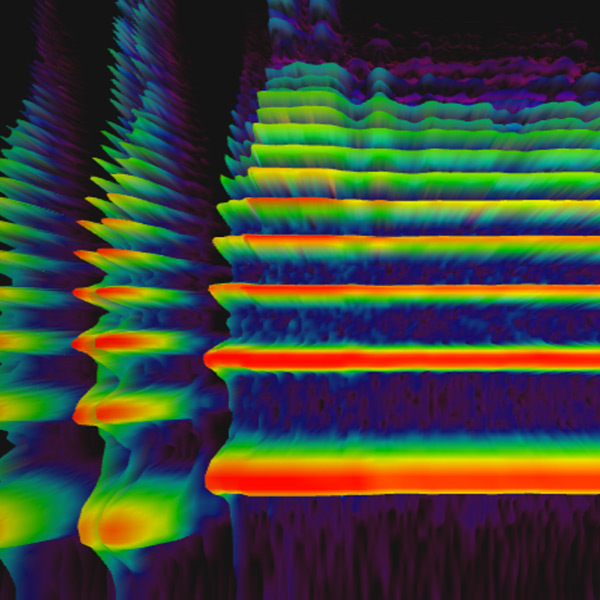 See sound frequencies over time.
 Build repeating percussion patterns.
 Make short melodies on a grid.
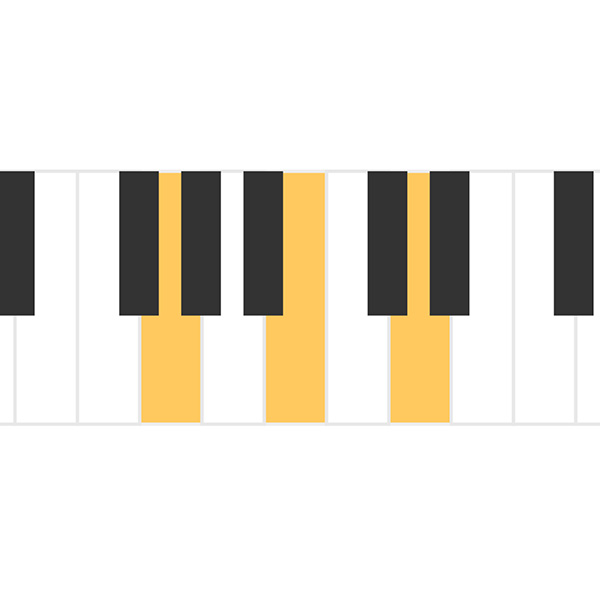 Hear three-note chord sounds.
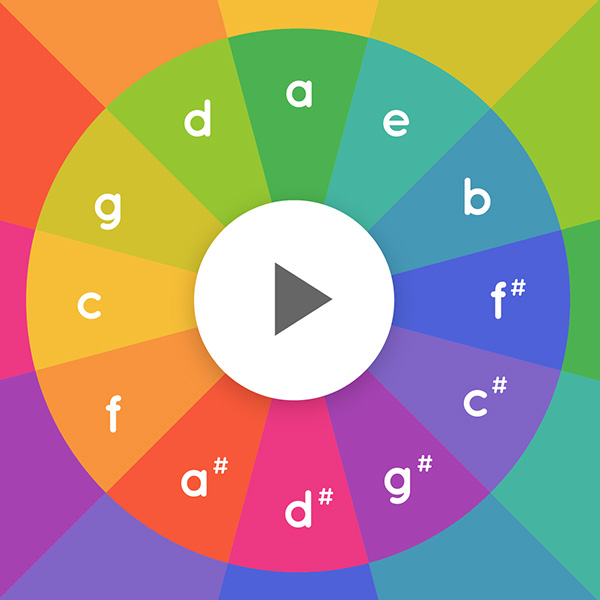 Play chord tones in patterns.
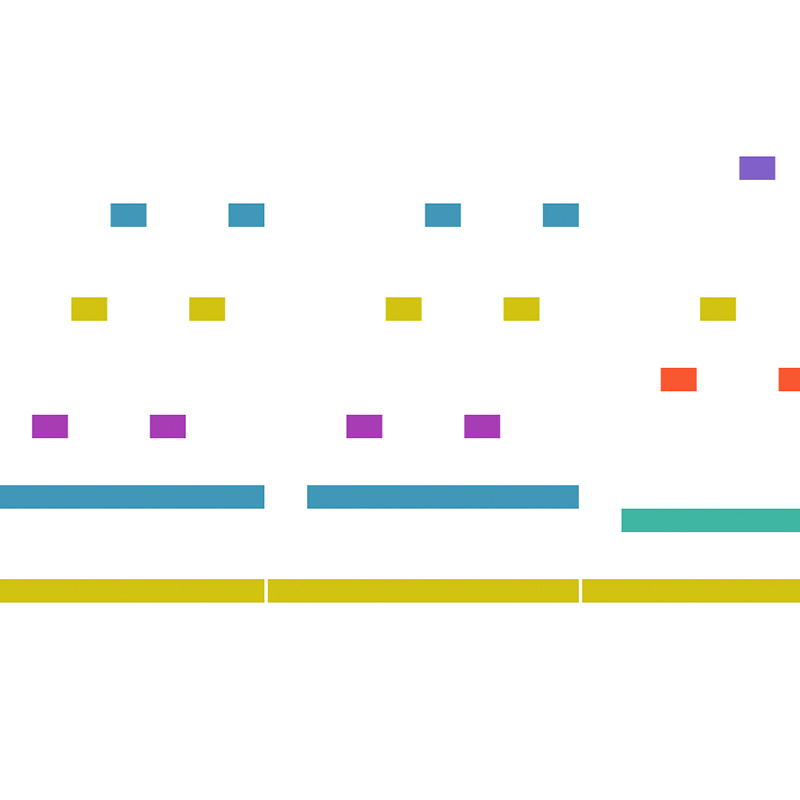 Watch notes flow like a roll.
 Turn drawings into sound.
 Change frequency and wave types.
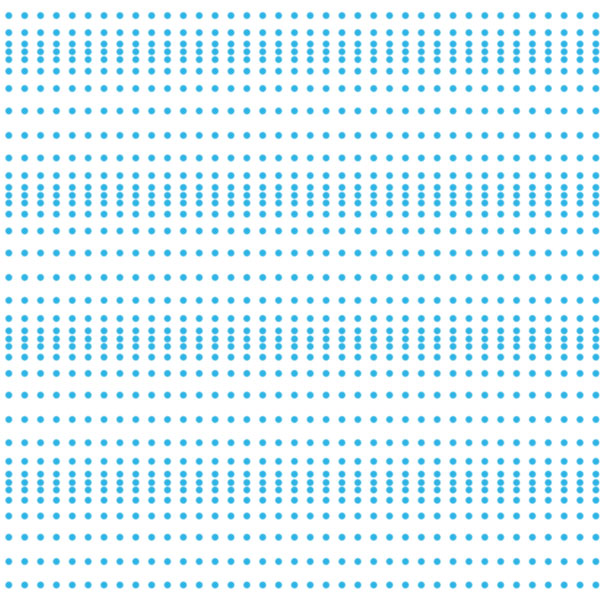 See sound move through air.
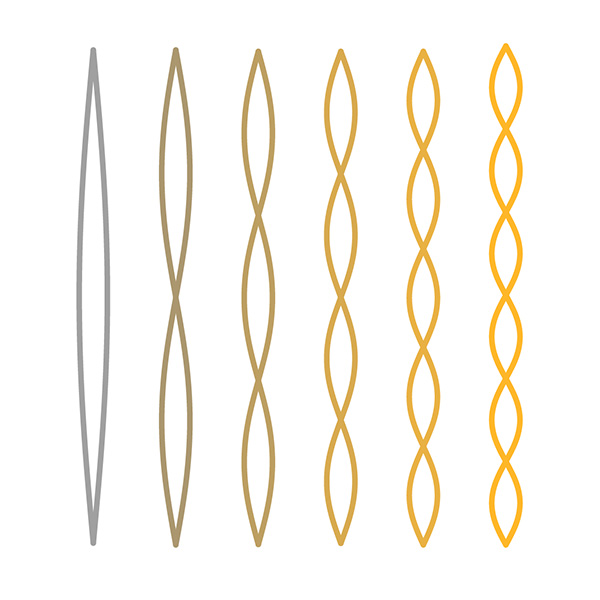 Explore overtones and intervals.
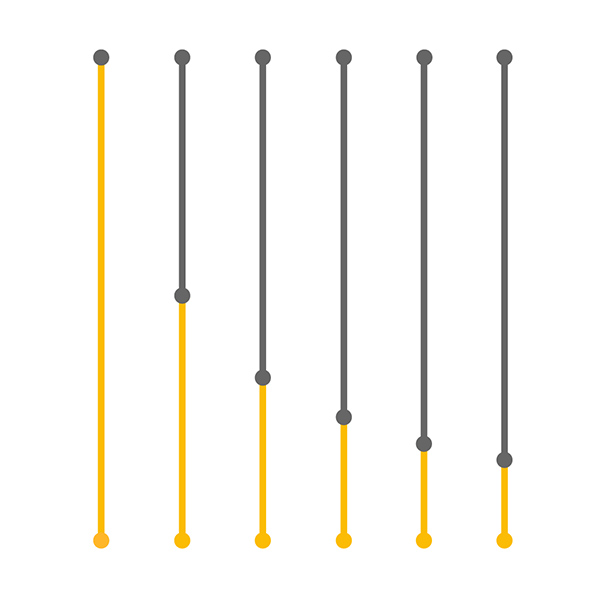 Compare string length and pitch.
 Spin voice speed and direction.
 Share a live piano room.
Free online sound science tool
Sound Waves
Use Sound Waves to see how vibration travels through air molecules. Watch the blue dots move, zoom in with the magnifier, and trace how one molecule moves as a sound wave passes.
Watch Air Molecules Move
Sound travels through tiny back-and-forth movements. The blue dots make that invisible motion visible, so you can see how vibration moves through the air.
Zoom Into One Molecule
Use the magnifier to look closer. The red line helps trace one molecule's position, turning the wave shape into something easier to follow.
Sound Waves Practice Ideas
Play Low and High Notes
Compare how particle motion changes when the pitch moves up or down.
Use the Magnifier
Zoom in to focus on particle motion and see the wave shape more clearly.
Trace the Red Line
Watch how the red line follows one molecule and connects particle movement to a wave graph.
Link Science and Music
Use the tool before Spectrogram to connect wave motion with frequency patterns.
Use Sound Waves Before Spectrogram
Sound Waves is a good first step for understanding vibration. After watching particles and wave motion, open Spectrogram to see how sound appears as frequencies over time.
Make Abstract Sound Visible
The page helps turn an invisible idea into something observable. Students can connect vibration, particle movement, pitch, and wave shape by changing the sound and watching the response.
FAQ
What are sound waves?
Sound waves are vibrations that travel through air or another material and can be heard by our ears.
What can I learn from Sound Waves?
You can see how vibration, particle motion, pitch, and wave travel relate to what we hear, including how one molecule moves as a sound wave passes.
Why does pitch change?
Pitch changes when vibration frequency changes. Faster vibrations usually sound higher.
How does Sound Waves help with Spectrogram?
Sound Waves shows vibration and motion, while Spectrogram shows frequency over time. Using both makes sound easier to understand from two views.
Is Sound Waves free?
Yes. You can use Sound Waves in a browser without an account or installation.