Explore More Music Tools
 Create beats, melodies, and songs.
 See sound frequencies over time.
 Build repeating percussion patterns.
 Make short melodies on a grid.
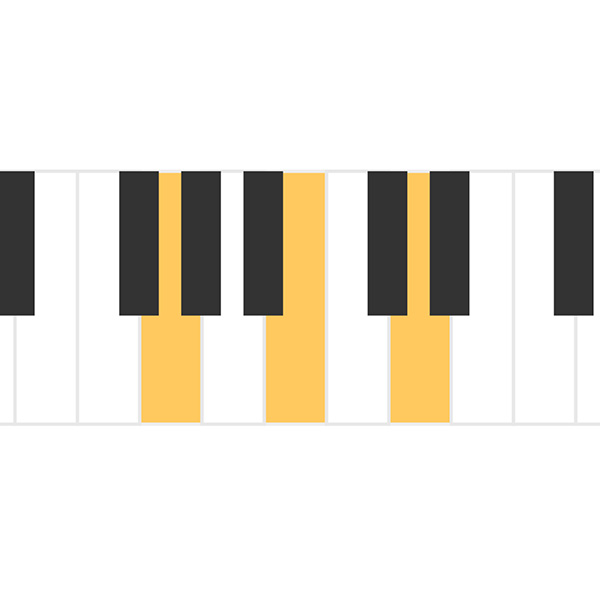 Hear three-note chord sounds.
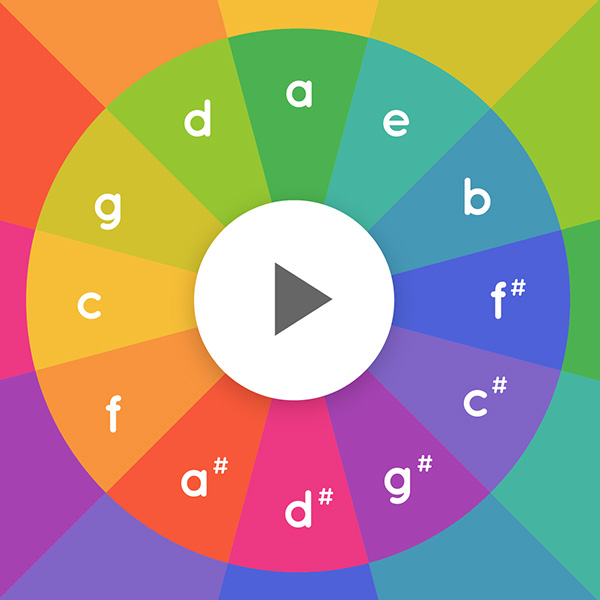 Play chord tones in patterns.
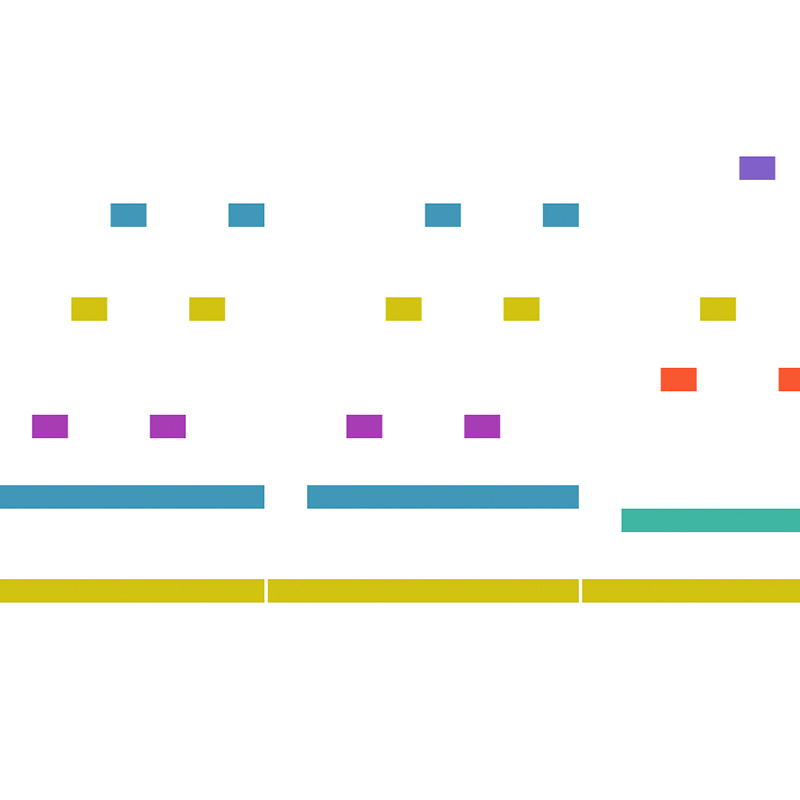 Watch notes flow like a roll.
 Turn drawings into sound.
 Change frequency and wave types.
 See sound move through air.
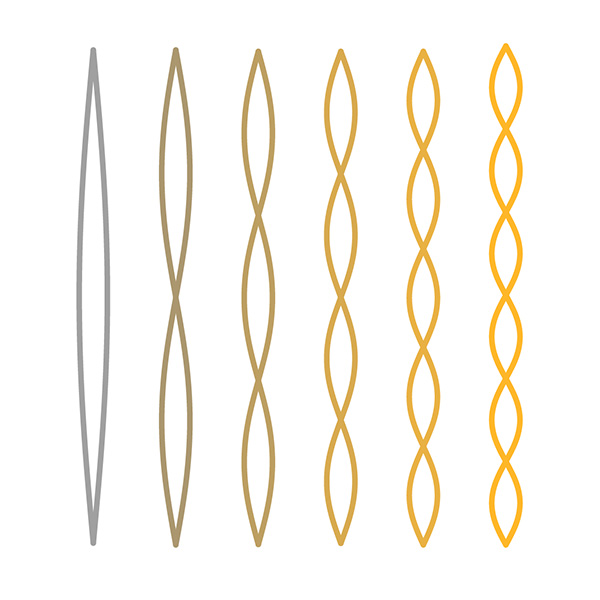 Explore overtones and intervals.
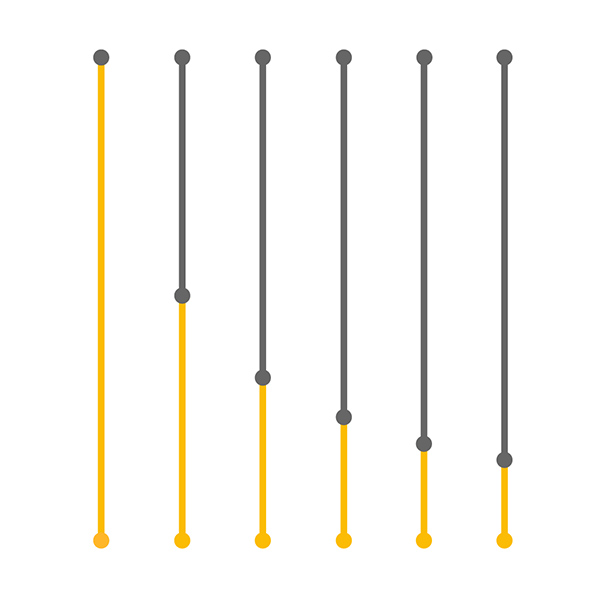 Compare string length and pitch.
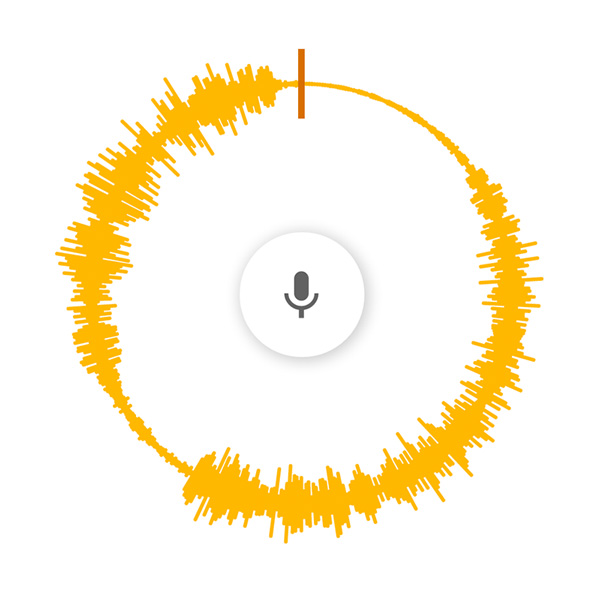 Spin voice speed and direction.
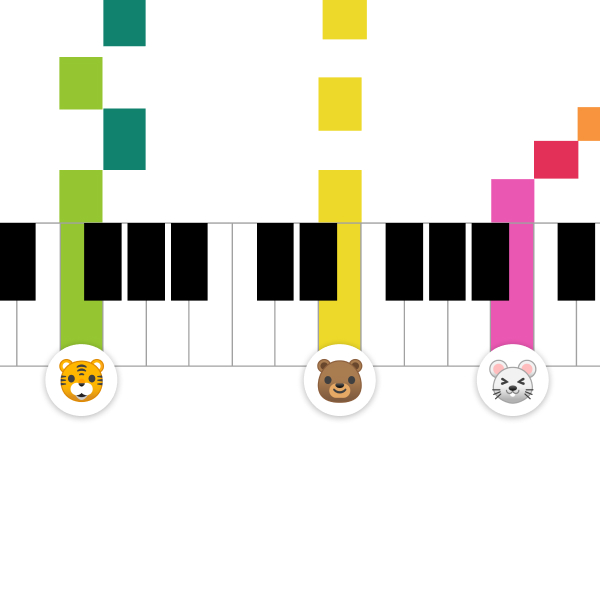 Share a live piano room.
Free online harmony tool
Chords
Use Chords to hear how notes combine into harmony. Compare major and minor sounds, try different roots, and build a stronger ear for chord quality.
Hear Notes Working Together
A chord is made when multiple notes sound at the same time. This tool makes it easy to hear how a single root note can create different harmonic colors.
Compare Major and Minor
Switch between major and minor chords to hear how one note can change the feeling of the harmony. It is a direct way to introduce chord quality.
Ways to Explore Chords
Pick a Root
Start on different notes and listen for how each chord keeps its shape while changing pitch.
Notice Mood
Compare the brighter sound of major chords with the darker sound of minor chords.
Practice Listening
Close your eyes, switch chord types, and try to identify the sound by ear.
Connect to Songs
Use the tool before writing melodies to understand how harmony supports musical ideas.
What Chords Teach
Chords show how separate notes can blend into one harmonic sound. When you change from major to minor, you can hear how a small pitch difference changes the color of the whole chord.
Connect Harmony and Emotion
Chord quality is one reason songs can feel bright, tense, calm, or serious. This tool gives a simple listening space for noticing those differences without a complex keyboard setup.
Chord Practice Ideas
Compare One Root
Choose the same root note and switch between major and minor to focus on chord quality.
Move Between Roots
Try different root notes and listen for how the same chord type keeps its general character.
Sing the Top Note
Hum along with the highest note to hear how a chord can support a melody tone.
Make a Progression
Play several chords in a row and notice when the movement feels settled or unfinished.
For Music Theory Basics
Chords are a practical entry point into harmony. They help explain root notes, chord quality, consonance, and how multiple notes can support a single musical idea.
Use Chords Before Writing
If you are planning a melody, try a few chords first. A chord can suggest which notes feel stable and which notes create movement or tension.
FAQ
What is Chords?
Chords is a simple online music tool for hearing how notes combine into major and minor chords.
What is the difference between major and minor chords?
Major chords often sound bright or settled, while minor chords often sound darker or more serious.
Can Chords help with music theory?
Yes. It gives a quick listening example of chord quality, harmony, and how several notes sound together.
Is Chords free?
Yes. You can use Chords in a browser without an account or installation.
Why do chords matter in songs?
Chords support melodies, create harmonic movement, and help listeners feel tension, release, brightness, or darker color.
Can I learn chords by ear?
Yes. Repeatedly comparing major and minor sounds is a simple way to start recognizing chord quality by ear.