Explore More Music Tools
 Create beats, melodies, and songs.
 See sound frequencies over time.
 Build repeating percussion patterns.
 Make short melodies on a grid.
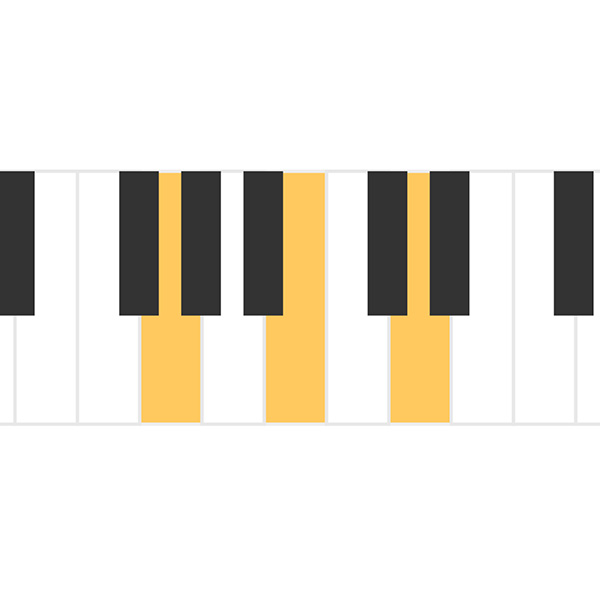 Hear three-note chord sounds.
 Play chord tones in patterns.
 Watch notes flow like a roll.
 Turn drawings into sound.
 Change frequency and wave types.
 See sound move through air.
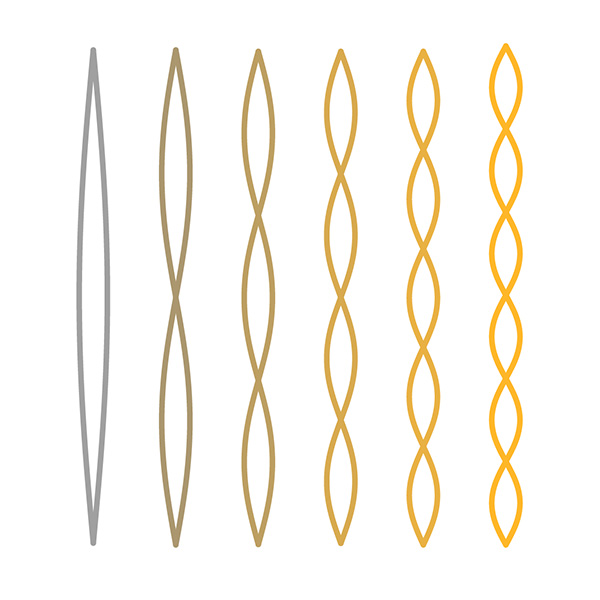 Explore overtones and intervals.
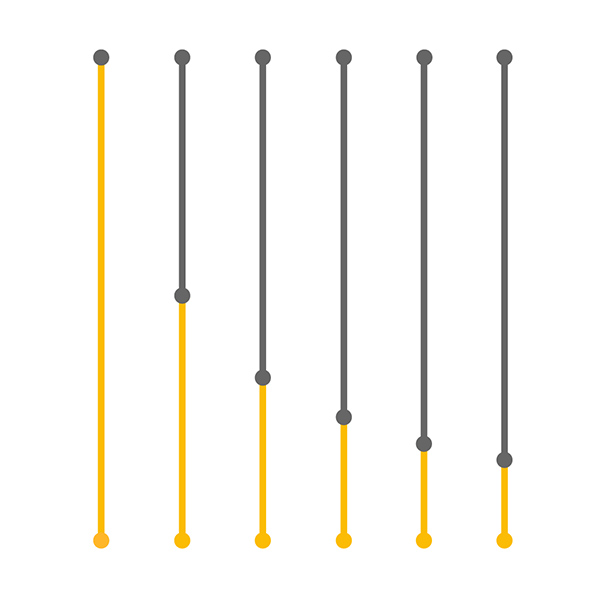 Compare string length and pitch.
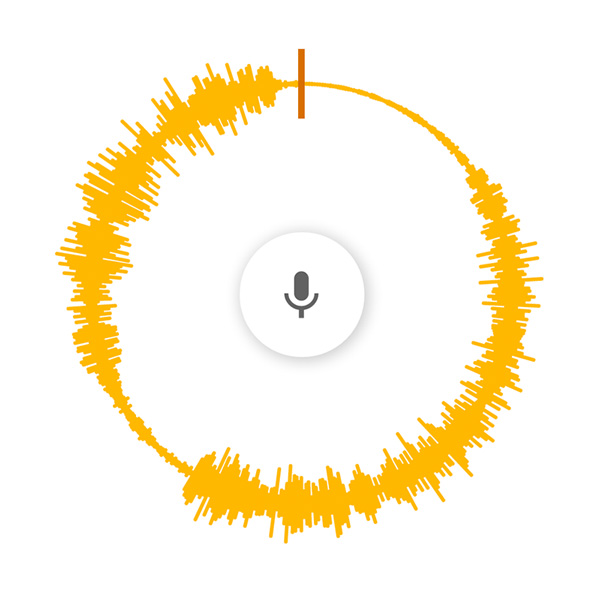 Spin voice speed and direction.
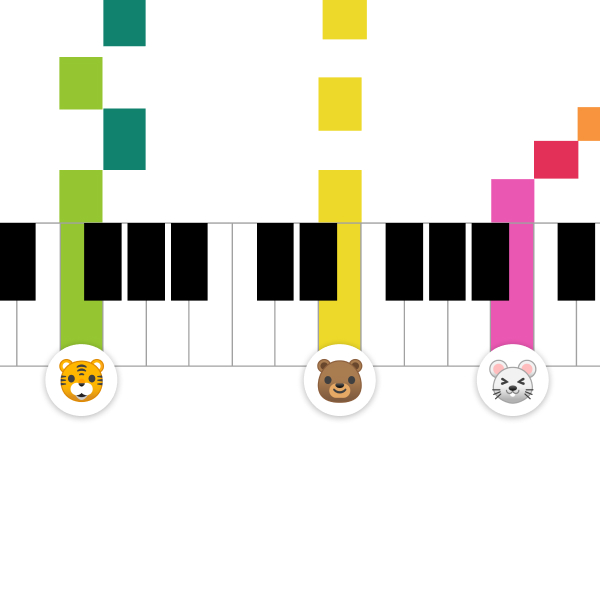 Share a live piano room.
Free online waveform tool
Oscillators
Use Oscillators to hear how steady vibrations become electronic sound. Drag to change frequency, switch between oscillator types, and compare smooth, buzzy, bright, and hollow tones.
Change the Frequency
An oscillator makes sound by vibrating at a steady rate. Drag up and down to hear the frequency rise and fall as the pitch changes.
Switch Oscillator Types
Move between different oscillator shapes to compare tone color. Similar pitches can sound smooth, buzzy, thin, or bright depending on the waveform.
Oscillator Practice Ideas
Start With Sine
Listen to the smoothest tone first, then compare it with brighter shapes.
Drag Through Pitch
Move slowly from low to high and listen for how frequency changes the pitch.
Compare Brightness
Notice which oscillator types feel softer, sharper, thinner, or richer.
Connect to Synth Sounds
Use the raw waveforms as a foundation for understanding synthesizer presets and electronic music.
From Waveforms to Instruments
Oscillators help explain why a plain tone can become a bass, lead, pad, or effect once it is shaped. Start with the raw wave, then listen for frequency, brightness, edge, body, and movement.
Build Sound Vocabulary
Comparing waveforms gives you useful words for describing sound. Smooth, buzzy, nasal, hollow, bright, soft, and sharp become easier to understand when you can hear each shape directly.
FAQ
What is an oscillator?
An oscillator creates a repeating wave. In sound, that wave can become a tone you can hear.
What can I learn from Oscillators?
You can compare wave shapes, change frequency, and hear how oscillator types change the character of a sound.
Why do wave shapes sound different?
Different wave shapes contain different patterns of overtones, which changes the tone color.
Are oscillators used in synthesizers?
Yes. Oscillators are a core part of many synthesizers because they generate the basic waveforms that become electronic tones.
Is Oscillators free?
Yes. You can use Oscillators in a browser without an account or installation.